

The Parenting Tools That Actually Work (And Why Most Don’t)

If Parenting Strategies Worked, You Wouldn’t Feel Stuck. Let’s Fix That.
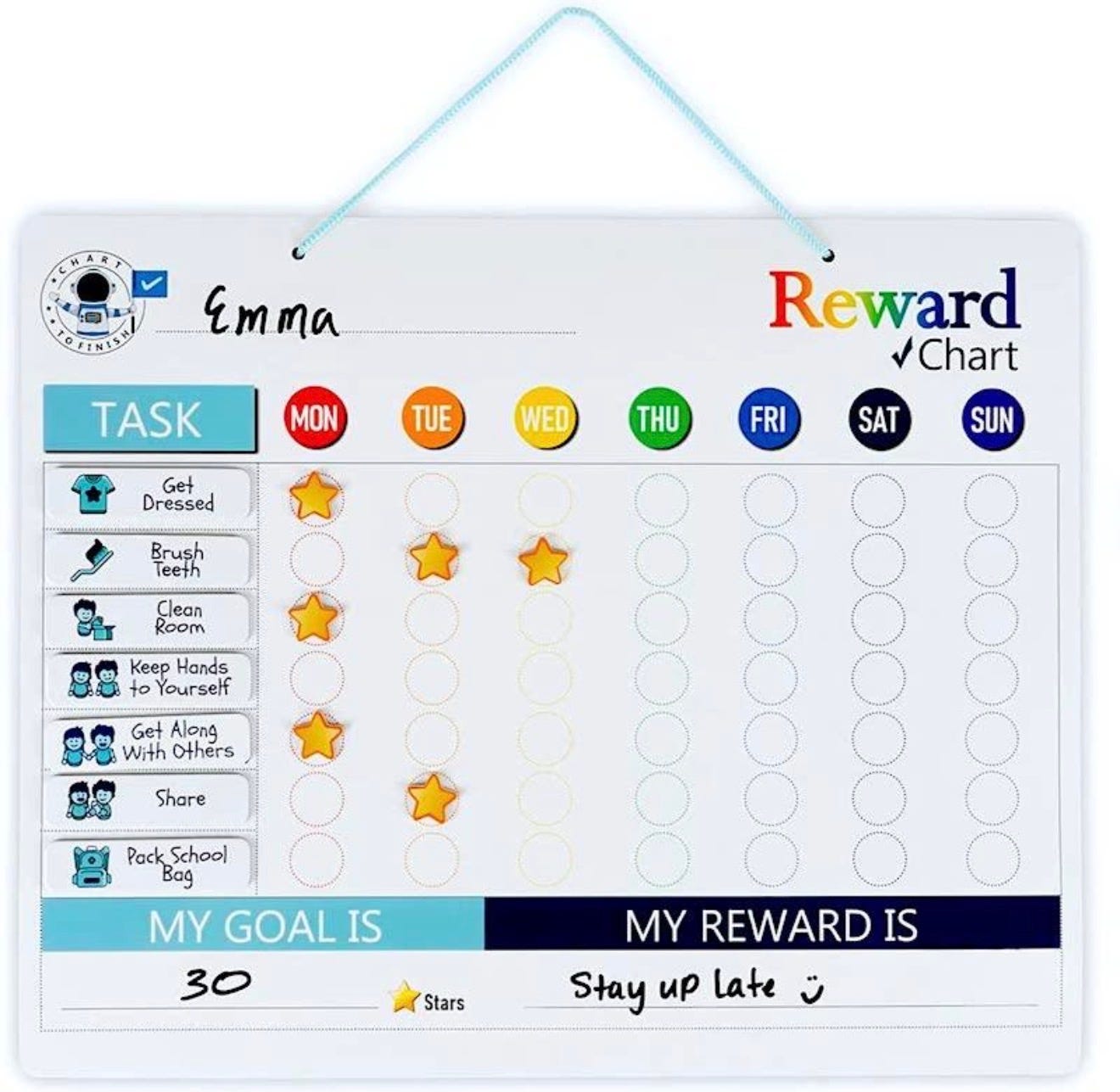
You’ve tried the charts.
The consequences.
The reward systems.
You’ve been consistent… for a while.
Then exhausted.
Then starting over again.
And somewhere in between, the thought creeps in:
“Why isn’t this working?”
Let’s be honest about something most people won’t say:
It’s not that you’re doing it wrong.
It’s that many of the tools you’ve been given were never designed for your child.
Why Traditional Discipline Often Fails—Especially for Neurodivergent Kids
Most parenting strategies are built on one assumption:
If a child understands expectations, they can meet them consistently.
But for many children—especially those with ADHD, autism, anxiety, or emotional regulation challenges—that’s not how the brain works.
Here’s what’s often missed:
Understanding ≠ Ability
Your child may know what to do but lack the regulation to do it in the moment.Behavior is communication
Not defiance. Not manipulation. Communication.Punishment doesn’t build skills
It may stop behavior temporarily, but it doesn’t teach what to do instead.
So when we rely only on:
Time-outs
Taking things away
Repeating instructions louder or more often
We end up in a cycle of:
react → correct → repeat → frustration

What Actually Works: Tools Rooted in Emotional Intelligence
If you want different results, you need tools that match how your child’s brain actually functions.
Here are the ones that consistently work:
1. Co-Regulation Before Correction
Before you teach, discipline, or redirect…
Help your child feel safe.
That looks like:
Sitting near them instead of across from them
Lowering your tone instead of raising it
Offering presence before instructions
Regulation opens the door to learning.
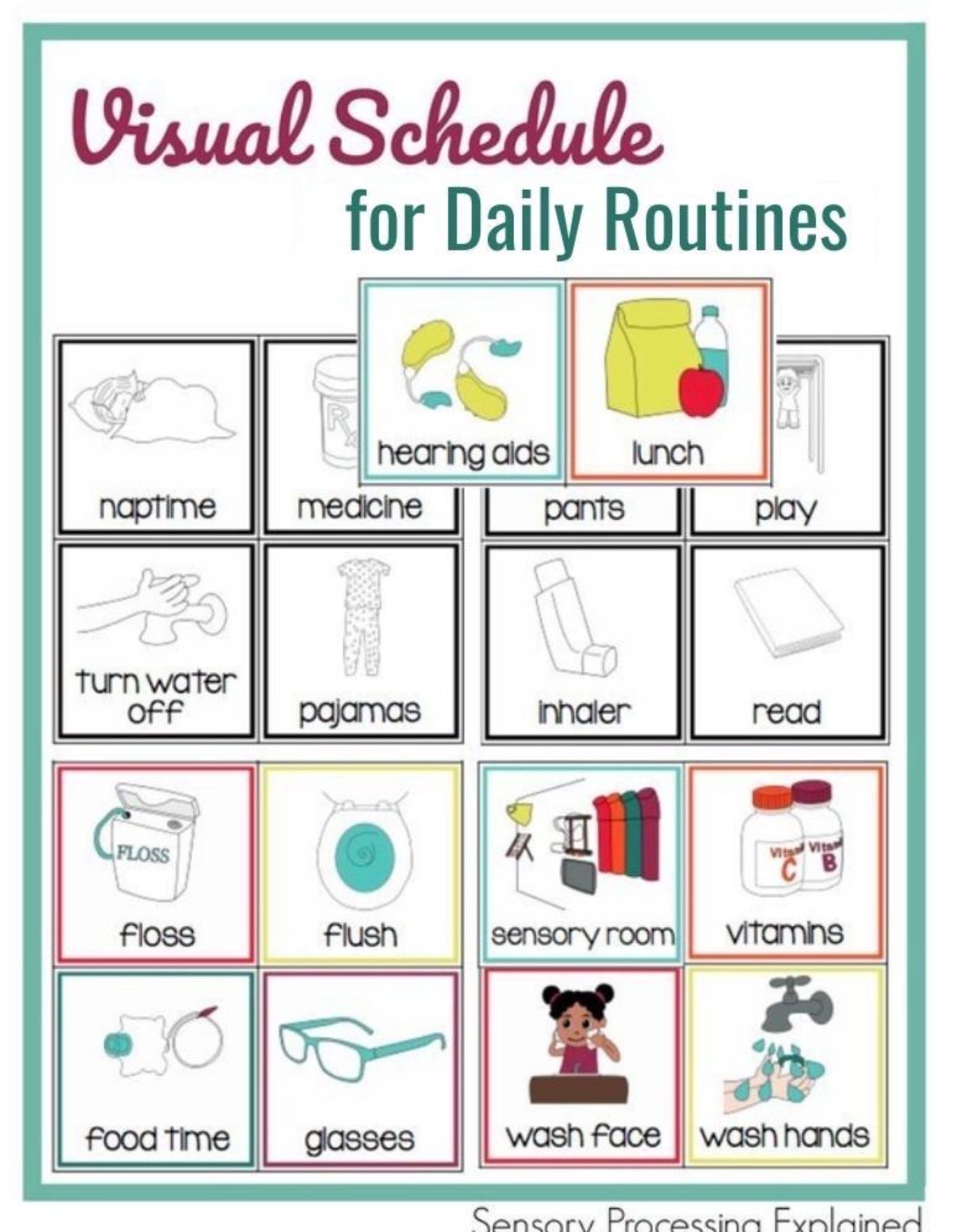
2. Predictable Structure (Not Rigid Control)
Children thrive on knowing what’s coming next.
Use:
Visual schedules
Consistent routines
Clear transitions (“In 5 minutes, we’re switching…”)
This reduces anxiety—and therefore reduces behavior.
3. Teach Skills, Don’t Just Expect Them
Instead of saying:
“Calm down.”
Teach:
What calming down looks like
How to take a break
How to ask for help
Practice when they are calm, not in the middle of a meltdown.
4. Connection Before Compliance
A connected child is a cooperative child.
This doesn’t mean permissive parenting.
It means:
Making eye contact
Getting on their level
Using their name
Showing you understand before you redirect
Connection reduces resistance.
5. Repair Over Perfection
You will lose your patience sometimes.
You will have moments you wish you could redo.
What matters most?
What happens after.
“I’m sorry I raised my voice.”
“Let’s try that again together.”
This teaches accountability, emotional safety, and resilience.
Consistency vs Perfection (This Is Where Most Parents Get Stuck)
Many parents believe:
“I just need to be more consistent.”
But what they really mean is:
“I need to be perfect.”
Let’s redefine that.
Consistency is not perfection.
Consistency is returning to the same approach—over and over again—without giving up.
Even after:
A hard day
A setback
A moment of frustration
It’s not about doing it flawlessly.
It’s about doing it intentionally and repeatedly.
The Takeaway: Clear, Usable Strategy Shift
If you remember nothing else, remember this:
Stop trying to control behavior
Start building emotional skills
Shift from:
punishment → teaching
reaction → regulation
control → connection
Because when you use tools that align with how your child actually functions…
Everything changes.
What’s Next
In the next issue, we’re going deeper into something that will transform your parenting on a personal level:
“Before You Fix Your Child, Check Your Triggers”
Because your child isn’t the only one bringing emotions into the room.
If this gave you clarity, share it with another parent who feels stuck.
And if you’re ready for deeper support, this is exactly the work we do inside Bright Path Wellness—helping families move from confusion to confidence with real, evidence-based tools.
– Natacha